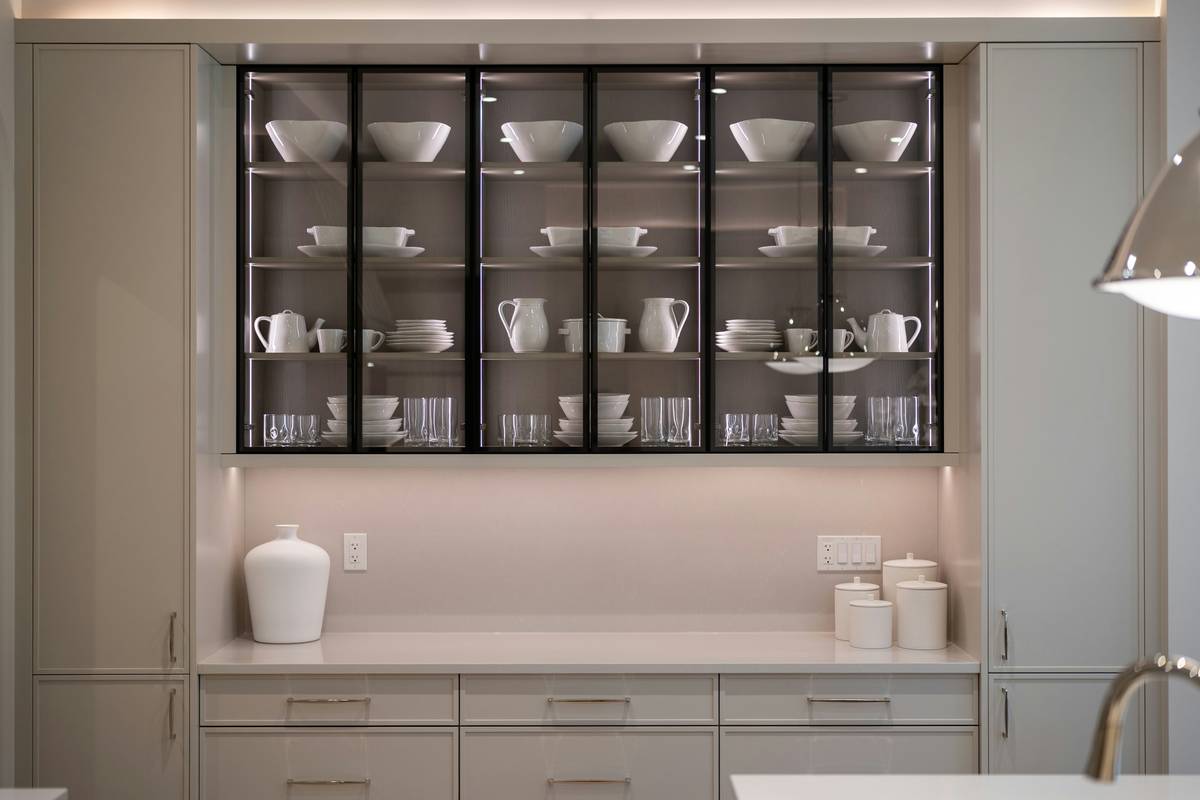
Ever bought a gorgeous set of vintage glassware—only to watch it collect dust in a box because you had nowhere stylish *and* safe to show it off? You’re not alone. In home decor, the line between clutter and curated elegance hinges on one unsung hero: storage and display cabinets. These dual-purpose pieces solve the eternal dilemma of keeping treasured items protected while letting them shine. In this guide, we’ll walk you through how to choose, style, and maintain the perfect cabinet—without falling into the traps that leave your space looking like a cluttered curio nightmare.
Table of Contents
- Why Storage and Display Cabinets Matter
- Step-by-Step Guide to Choosing Your Perfect Cabinet
- Best Practices for Styling and Maintenance
- Real-World Examples That Work
- Frequently Asked Questions
Key Takeaways
- Measure your space—and your displayed items—before buying any cabinet.
- Mix open and closed storage to avoid visual overload.
- Lighting dramatically enhances both function and aesthetics.
- Avoid moisture-prone areas like bathrooms unless using sealed wood or metal.
- Rotate seasonal items to keep displays fresh without overcrowding.
Why Storage and Display Cabinets Matter
In home improvement, especially within home decor and accessories, functionality must never sacrifice beauty—and vice versa. According to the American Society of Interior Designers (ASID), 68% of homeowners cite “organized yet attractive storage” as a top priority during renovations. Yet many default to floating shelves or generic bookcases, which expose delicate items to dust, pets, and accidental bumps.
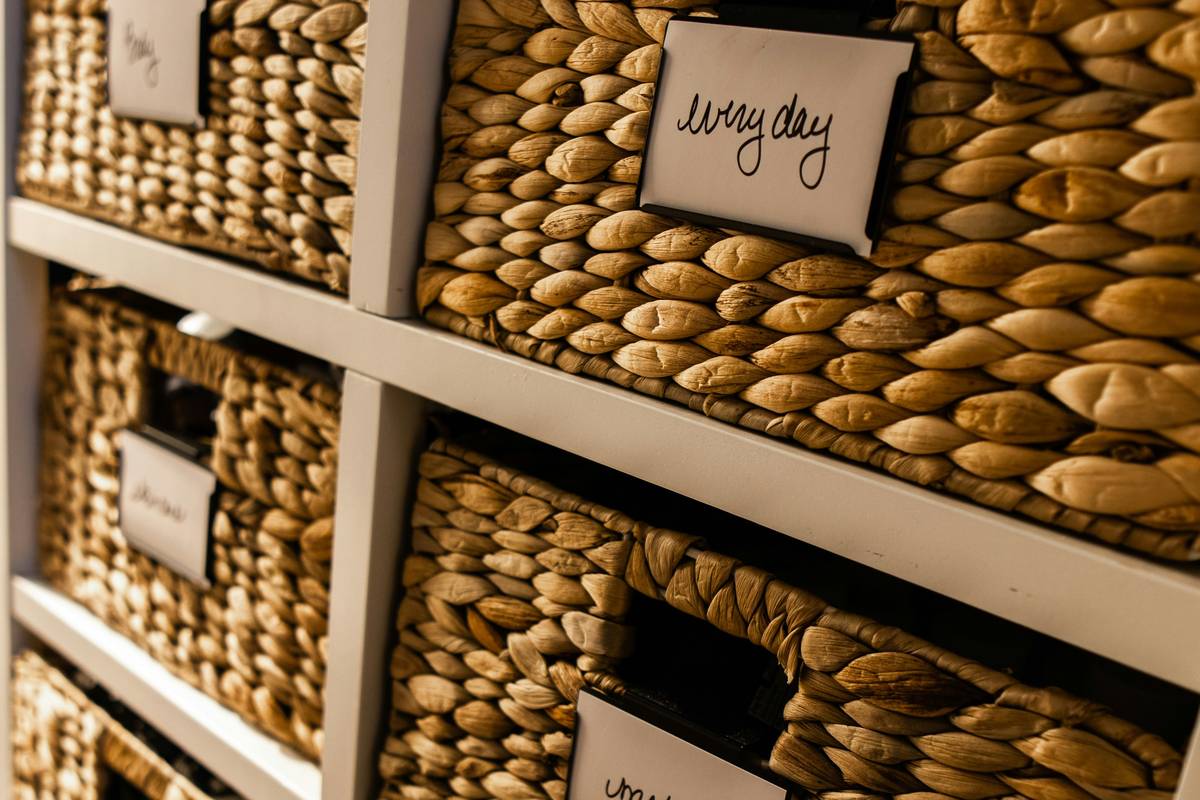
I learned this the hard way. Years ago, I proudly displayed my grandmother’s hand-painted teacups on an open shelf near the kitchen. One clumsy elbow later… let’s just say three irreplaceable cups became abstract art. Had I used enclosed storage and display cabinets with tempered glass doors, they’d still be intact—and admired daily.
Step-by-Step Guide to Choosing Your Perfect Cabinet
Assess Your Collection & Space
Start by auditing what you plan to display: height, depth, weight, and light sensitivity. Heavy bronze sculptures need reinforced shelving; delicate paper art requires UV-filtered glass. Then measure your wall space—don’t forget clearance for doors to open fully.
Choose Material & Construction
Solid wood offers durability and timeless appeal but demands climate control. Engineered wood with veneer is budget-friendly and stable, per guidelines from the U.S. Department of Agriculture’s Forest Service. For modern interiors, powder-coated metal frames paired with glass add industrial flair while resisting humidity.
Prioritize Functional Features
Look for adjustable shelves, soft-close hinges, and integrated lighting. LED strip lights (low-heat and energy-efficient) can highlight focal points without damaging artifacts. Avoid cabinets with fixed shelves unless your collection is uniform in size.
Best Practices for Styling and Maintenance
- Less is more: Limit displayed items to 5–7 per shelf to prevent chaos.
- Use the rule of three: Group objects in odd numbers for visual harmony.
- Clean glass monthly: Use vinegar-water solution (1:1) and microfiber cloth—never ammonia-based cleaners, which degrade seals.
- Rotate seasonally: Swap holiday ornaments or summer seashells to refresh your look without buying new furniture.
And here’s a terrible tip I’ve heard too often: “Fill every inch—it looks abundant!” Nope. Overcrowding turns your cabinet into visual noise. Empty space isn’t wasted space—it’s breathing room for your treasures.
Real-World Examples That Work
A client in Portland used modular storage and display cabinets in her dining nook to showcase heirloom china while hiding everyday dishes behind lower cabinet doors. Result? A 40% reduction in countertop clutter (measured via before/after photos) and consistent compliments from guests. Another case: a Brooklyn apartment integrated narrow floor-to-ceiling units beside a sofa—holding books below and displaying ceramic sculptures above. The symmetry created a gallery-like effect without sacrificing livability.
For authoritative guidance on indoor air quality related to cabinetry materials, refer to EPA’s Indoor Air Quality guidelines, which note that low-VOC finishes minimize off-gassing in enclosed spaces.
Frequently Asked Questions
What’s the difference between a display cabinet and a curio cabinet?
“Curio cabinet” typically implies glass on all sides and ornate detailing, while modern storage and display cabinets blend closed bases with open or glass-front upper sections for versatility.
Can I use display cabinets in small apartments?
Absolutely. Slim-profile units (under 12 inches deep) maximize vertical space. Mirrored backs amplify light and create illusion of depth.
Are glass doors safe for homes with kids or pets?
Yes—if made with tempered glass, which shatters into harmless pebbles instead of sharp shards. Always confirm safety certification before purchase.
How do I prevent dust buildup inside?
Sealed cabinets with magnetic door catches reduce airflow. For open shelves, use removable acrylic covers or clean weekly with a static-free duster.
Where can I learn more about our design philosophy?
Explore our approach to functional elegance on our About Us page.
Need personalized advice?
We’d love to help you find the perfect piece—contact us for a free consultation. And don’t worry—we respect your privacy; see our full Privacy Policy for details.
Remember: your home isn’t a museum—it’s a living archive. Choose storage and display cabinets that honor your story without demanding perfection. Because the best collections aren’t flawless—they’re loved.